MethodAug 16, 20265 min read
How to implement AI clinicians can rely on
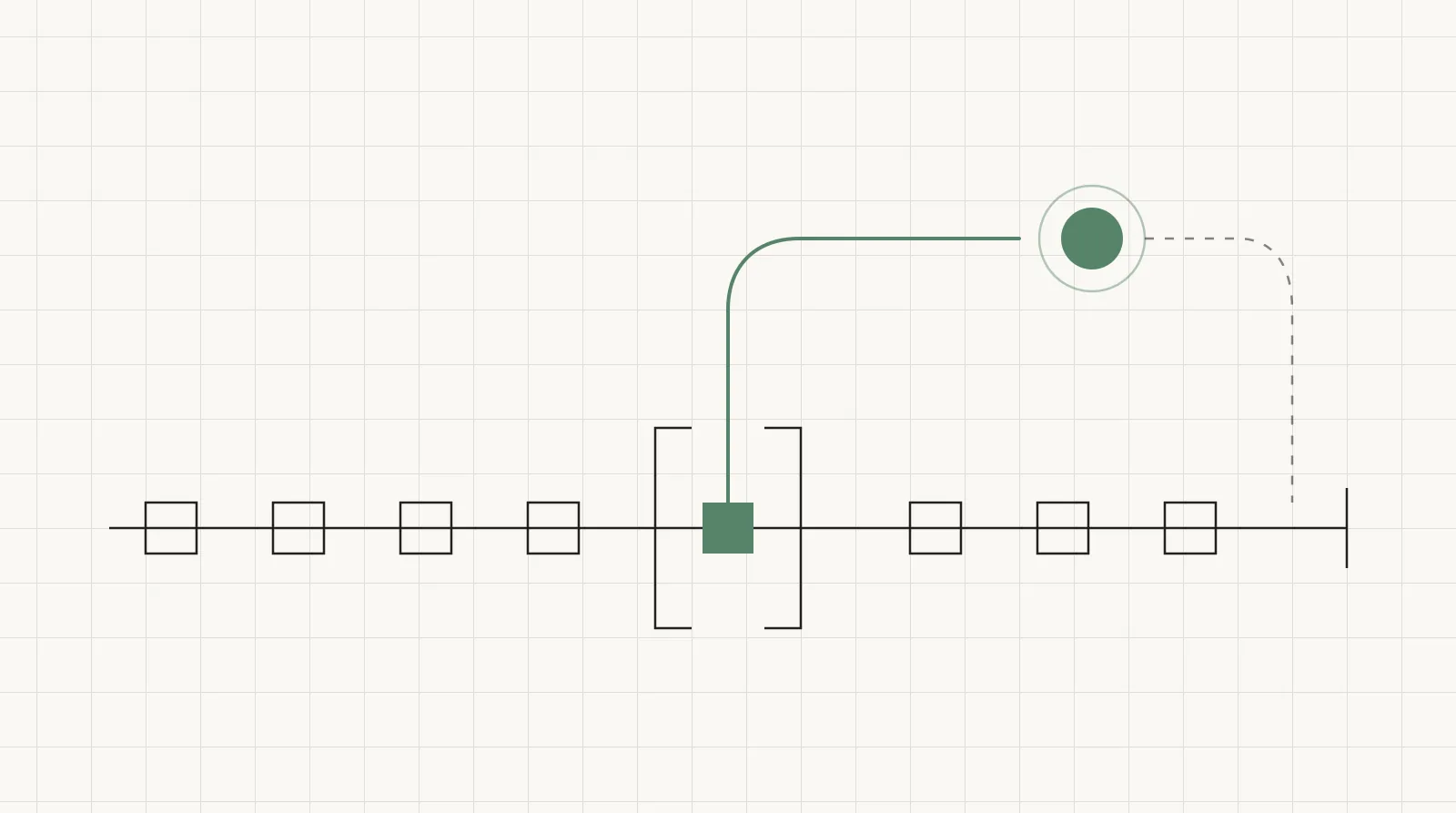
A model that performs in a demo can still fail on a ward. Five decisions settle whether an implementation holds, and every one of them is made before anyone picks a model.
ReadOrchestration, research agents, and automation in healthcare — what is actually running, what it measured, and the engineering that makes it safe to rely on.
A model that performs in a demo can still fail on a ward. Five decisions settle whether an implementation holds, and every one of them is made before anyone picks a model.
Read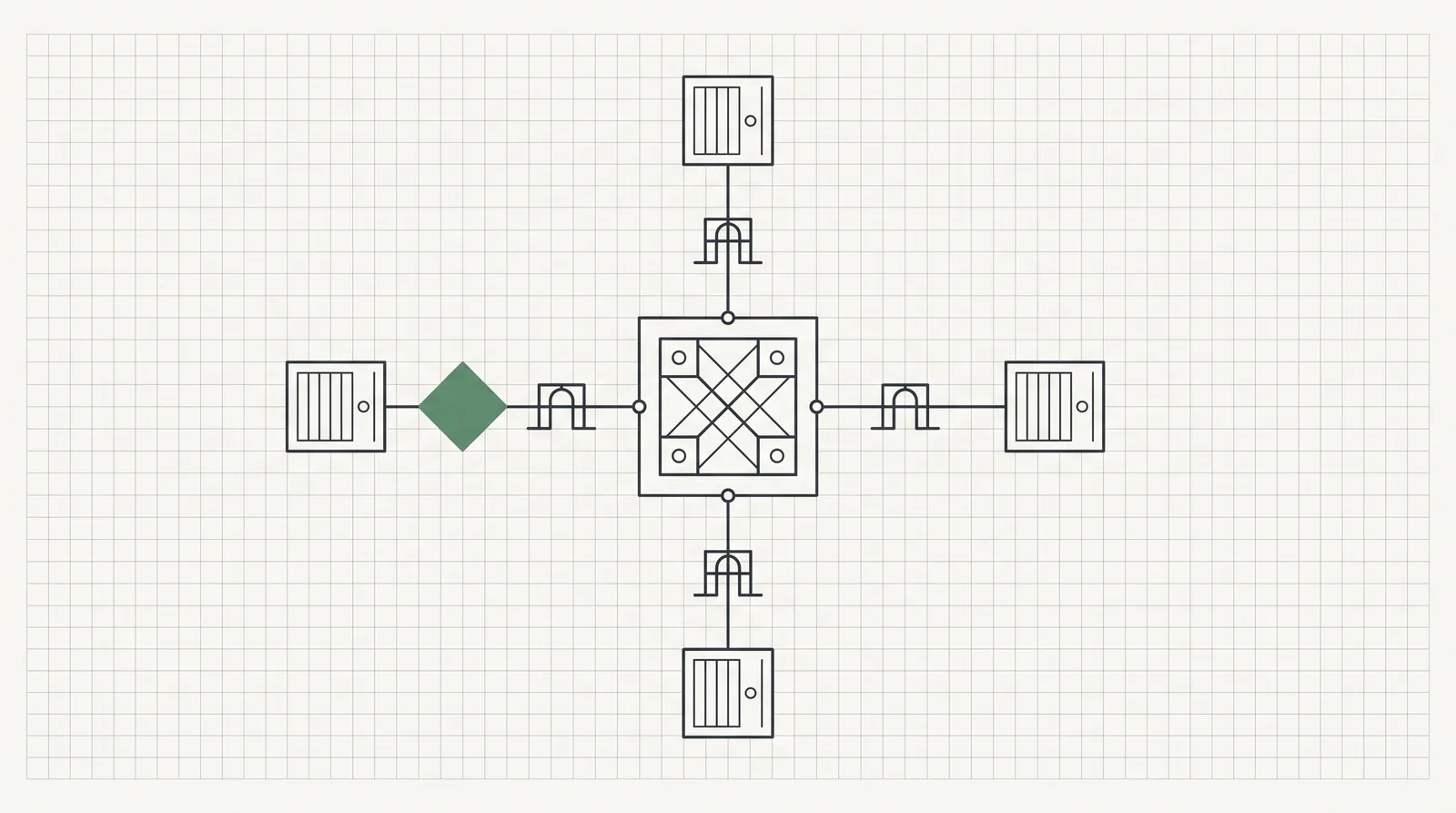
When agents fail on clinical tasks, the errors cluster in the plumbing: invalid calls, malformed writes, formats the record rejects. That is where reliability has to be engineered, and the mechanisms that do it are nameable and testable.
Read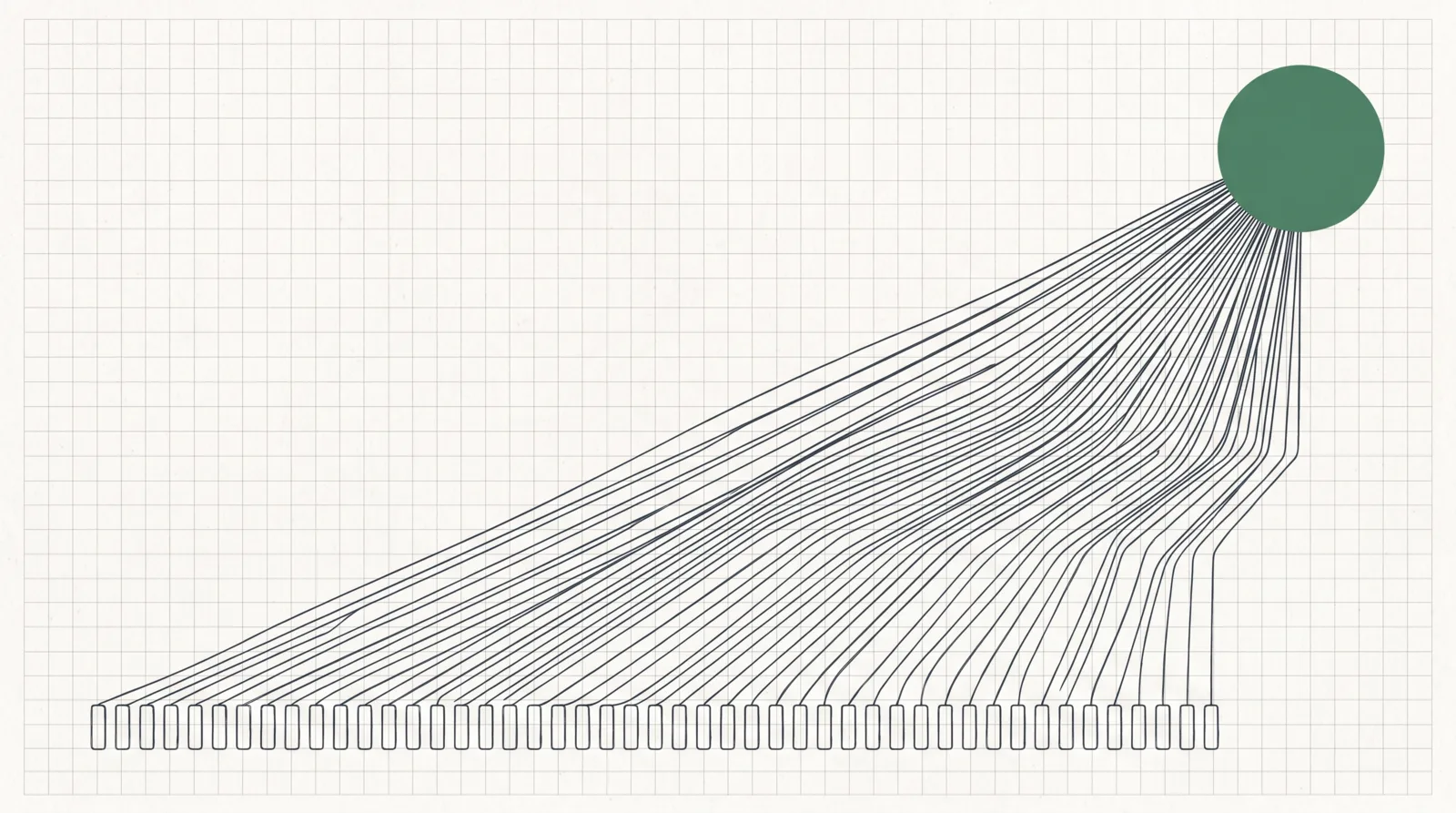
An agent that reads and synthesises evidence is trustworthy on one condition: every claim it makes resolves to a source a human can open, and its failure modes have been designed for. Here is what has been measured, and what to test before relying on it.
Read
In the first randomized trial of ambient AI scribes, one market-leading product cut note time by 41 seconds and the other moved nothing measurable. The burnout signal is real, the capacity gain is close to absent, and the one revenue figure carries an unresolved meaning.
Read
Prior authorization, coding and patient access are the most confidently quantified corner of healthcare AI and the least independently verified. Here is what has actually been measured, by whom, and how a buyer gets a real number anyway.
Read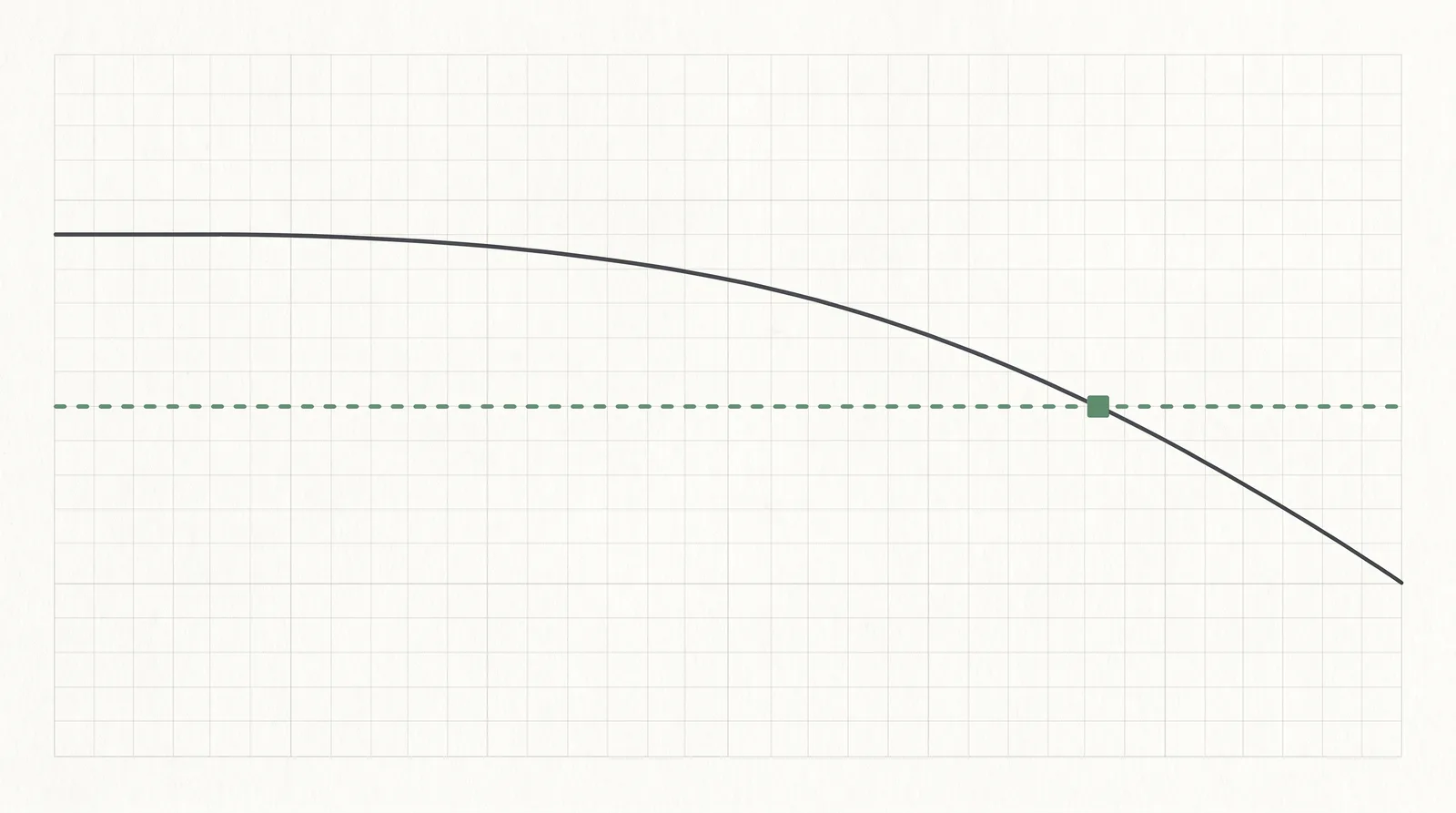
A widely implemented sepsis model was billed at 0.76 to 0.83 and measured 0.63 in the field. A rebuilt version measured far better. Independent teams produced both numbers, and that repetition is what trust in a deployed system is made of.
Read
A demo answers whether a model can produce the right output once. A proof gate answers whether it will keep producing it against your data, at your volume, when the inputs go strange.
Read
Most AI shortlists are ranked by how interesting the problem is. Ranking by expected return and time-to-evidence produces a different list, and usually a shorter one.
Read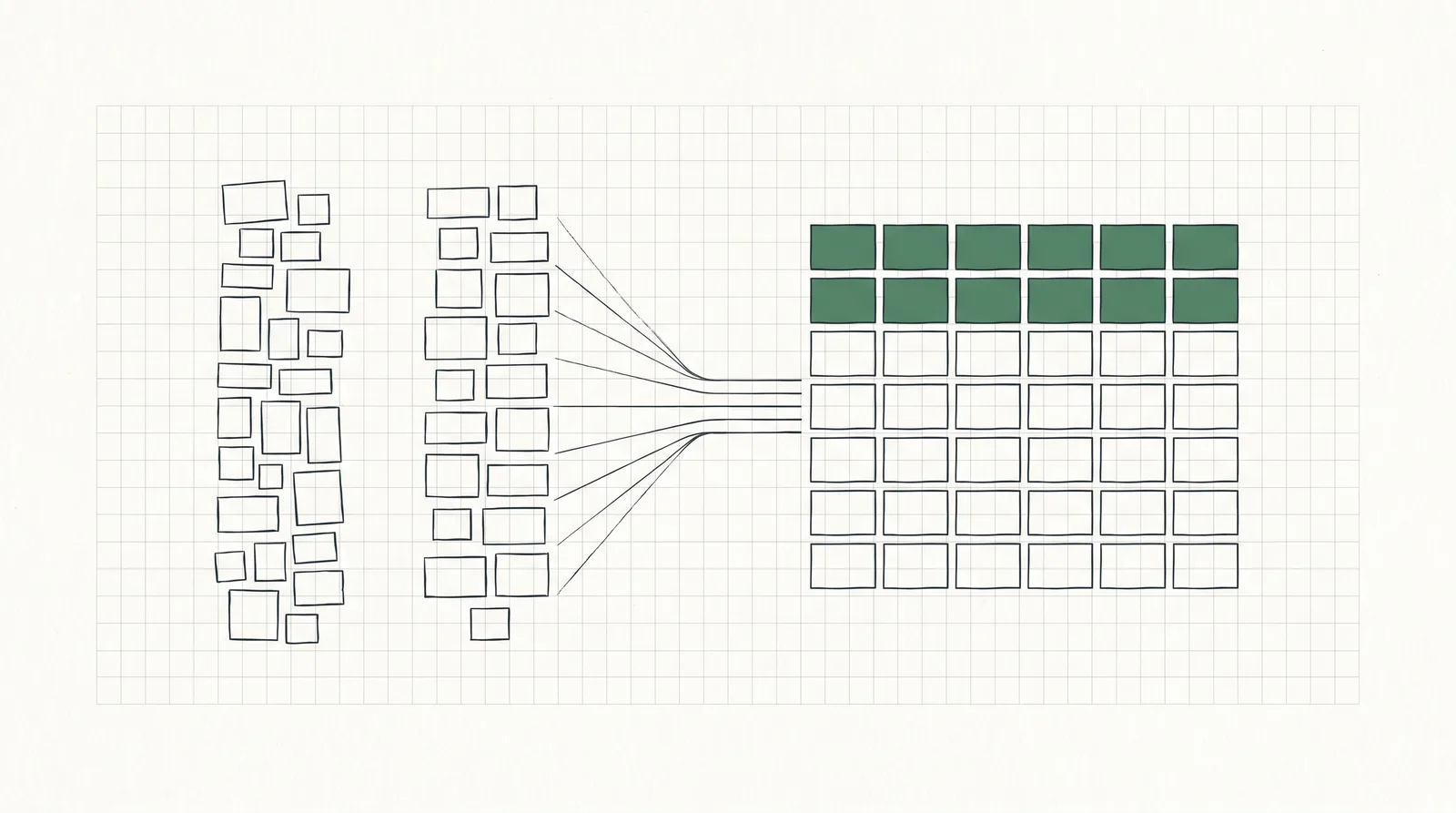
The phrase covers three separate jobs — reachable, joinable, and governed — and only the third one usually needs a committee.
Read