The gate exists to be failed
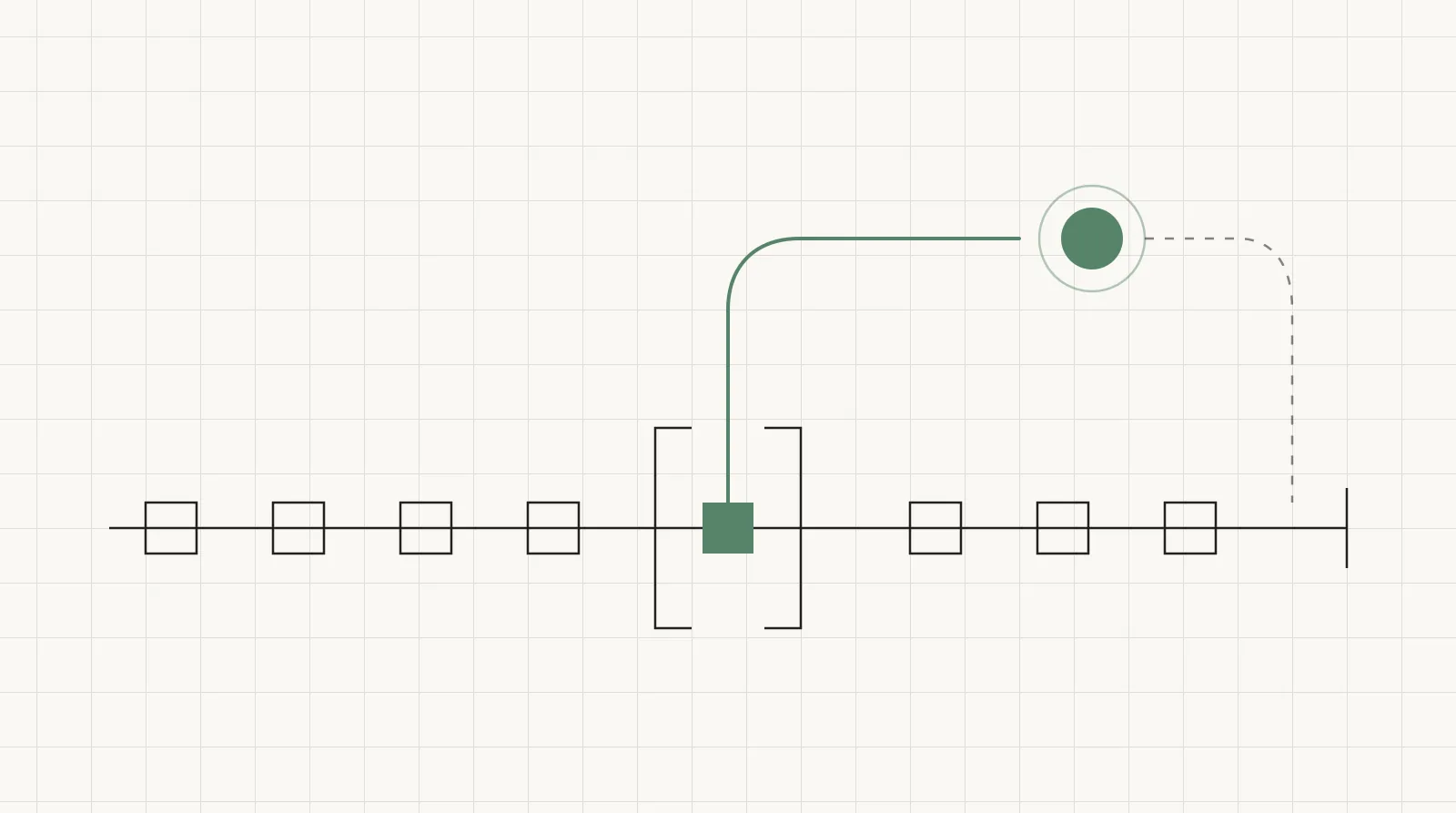
A proof gate that everything passes is a formality, and a formality costs the same as a test while telling you nothing. Ours is built so that a real answer of "this does not clear" is available and survivable — it arrives in weeks, on a fixed scope, before the budget that would have gone into a full build is committed.
That framing changes what goes into it. The gate runs against your data rather than a curated sample, at something close to your real volume, and it is scored on numbers agreed in advance. Moving the target after seeing the result is the failure mode the whole structure is designed to remove.
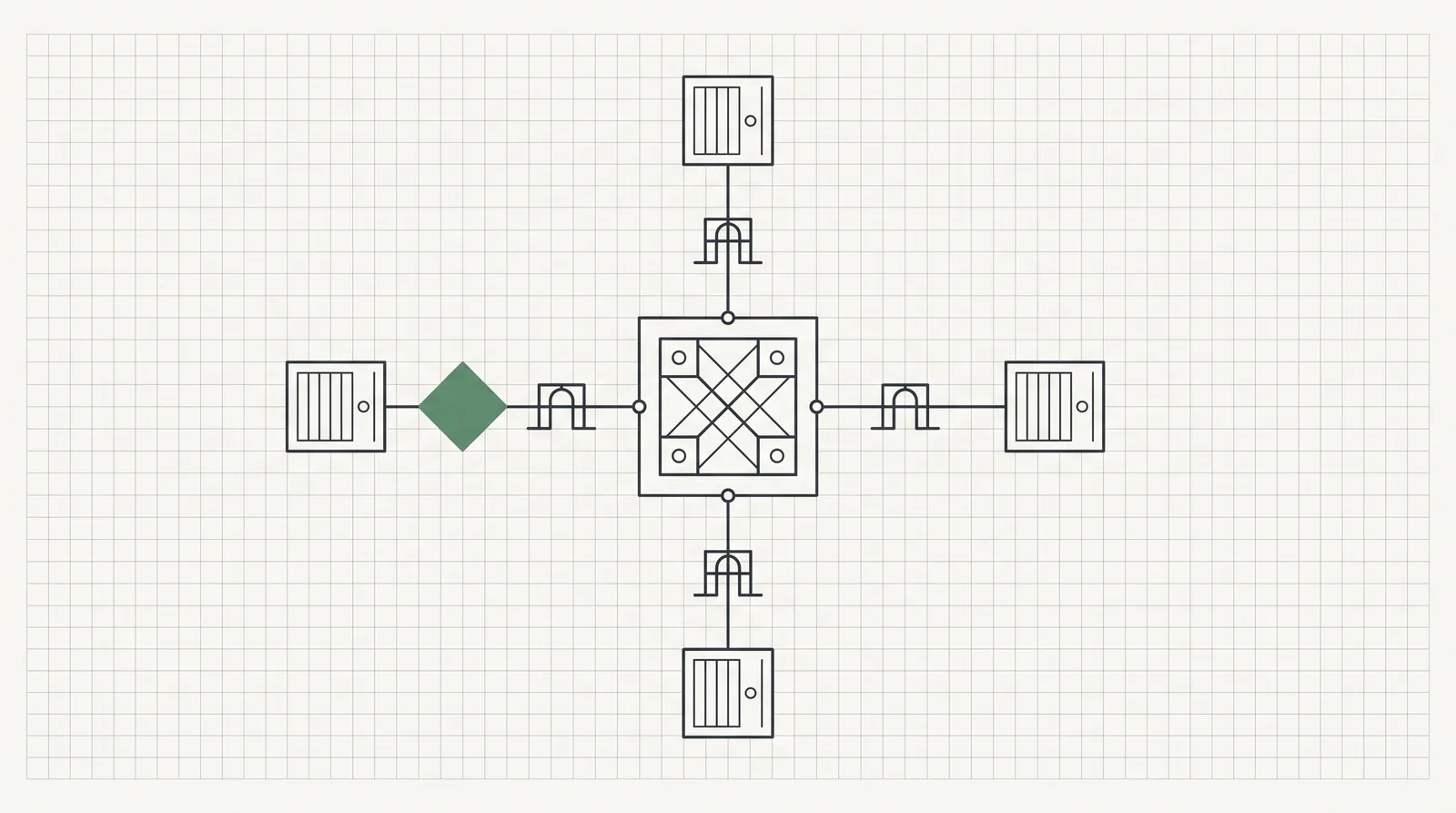
Four questions, in order
Does the system produce the right answer on your data? Most pilots stop here, and it is the easiest of the four. A model that scores well on a public benchmark and poorly on your records has told you something about the benchmark.
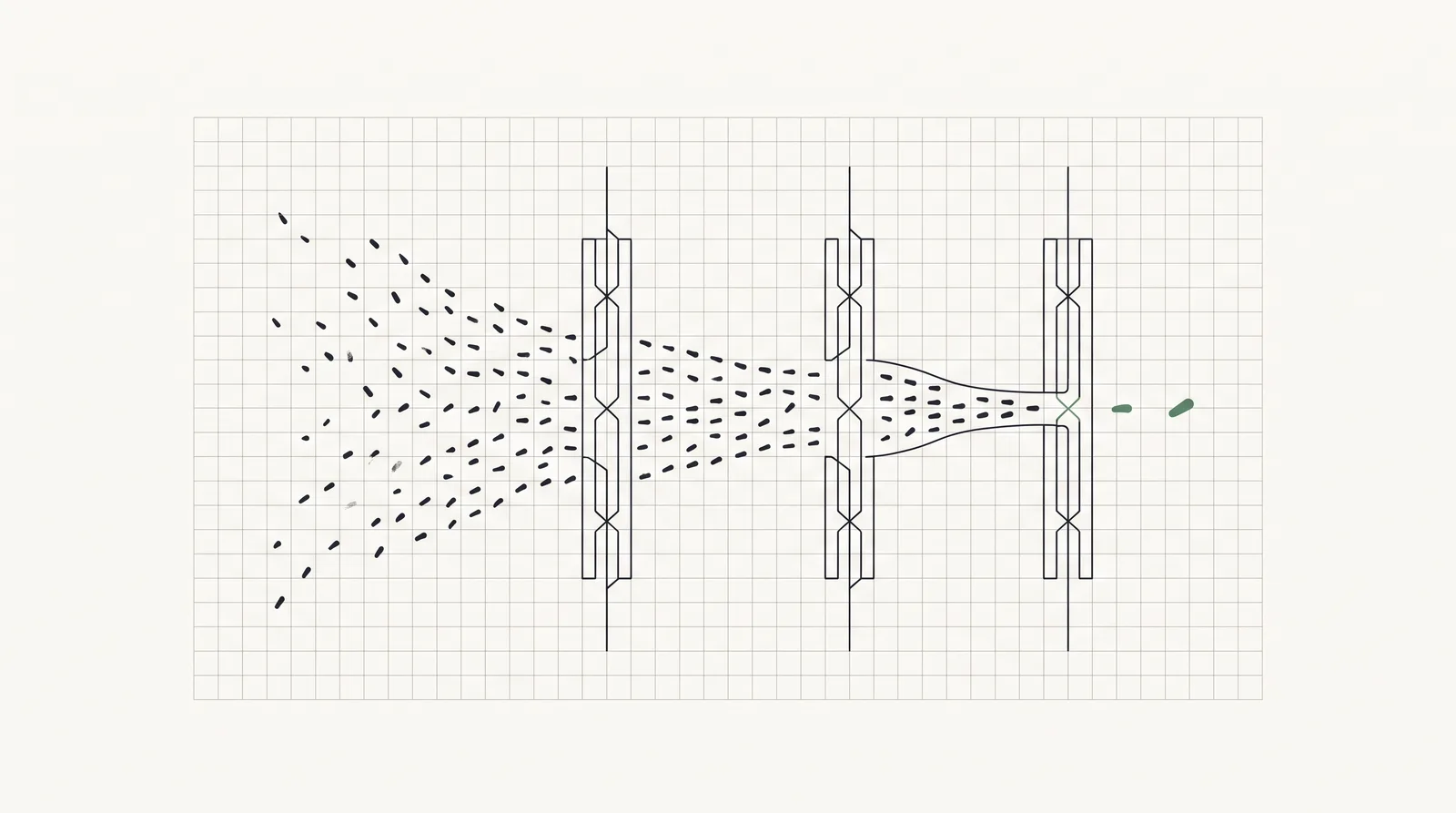
Does it hold at volume? Accuracy measured on two hundred cases is a different claim from accuracy measured on two hundred thousand, and latency that is comfortable at one is often disqualifying at the other.
What happens at the edges? Missing fields, contradictory records, formats that changed in 2019, the patient who appears twice under two spellings. Production is mostly edges.
Do the economics work? A system that is accurate and slow and expensive is a research result. The gate scores the cost per decision alongside the accuracy, because a number that only works at a price nobody will pay has not cleared anything.
What clearing it buys you
A cleared gate converts an argument into a measurement. The full build then starts from a known baseline with a known cost per unit of work, which is what makes a delivery date meaningful — the estimate is bounded by something that already ran.
It also gives whoever signs off internally something to point at. "The pilot looked promising" is a position that has to be defended every quarter. A scored result against agreed criteria is a record.