Choose the first workflow by what a failure costs
The first question about a healthcare AI build is what happens when it is wrong. A drafting task where a clinician reads every output before it reaches the chart has a failure that someone already standing there will catch. A task that writes to the record unattended has a failure that reaches a patient.
Start where an existing review step absorbs the cost of a mistake. That gives the team a real deployment to learn on while the consequences of being wrong stay inside the workflow.
The order matters more than the ambition. A first build that fails safely is what earns the second one.
Write down what correct means
Correct is a specification, and the people who will live with the output are the ones who have to write it. For a clinical note, that means naming which omissions matter and which are noise. For a routing decision, it means naming which misroutes a later step will catch.
Turn it into cases with expected outcomes, drawn from your own records. That set becomes the thing every later version is checked against, and it is the only guard against a system that improves on average while getting worse on the cases that carry the most risk.
Settling this once a build is underway turns evaluation into a negotiation about whether the result is good enough.
Design the exception path first
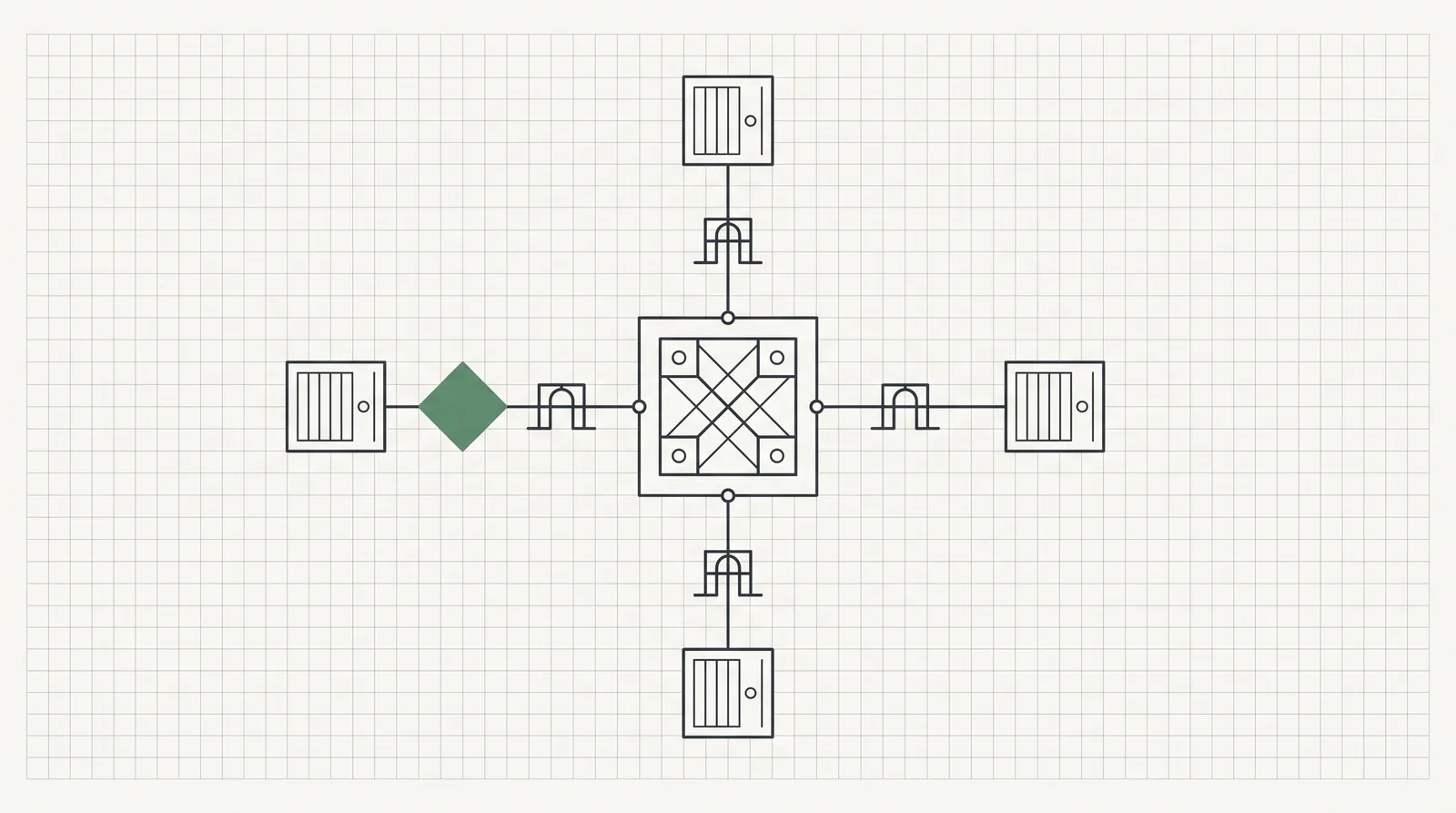
Every system meets input it should decline. The design question is what happens at that moment: hand the item back to a person, hold it in a queue, or fall back to the process that ran before.
The exception path is where the reliability lives. A system that is right most of the time and quiet about the rest hands the whole job of catching errors to a clinician who has no signal about where to look.
Build the handoff before the main path is polished. It decides whether the deployment survives its first bad week.
Put it inside the work people already do
Adoption dies in the gap between systems. When using the AI means a second screen, a separate login, and a copy back into the record, the tool competes with the work it was meant to relieve.
Integration is where most of the engineering time goes: the interfaces, the identity, the write-back, and the formats the record will accept. Budget for it as the main body of the build.
Keep measuring after go-live
Performance at launch is one reading. Case mix shifts, staffing changes, and upstream systems get upgraded, so a system that was correct in the spring can drift by the autumn with nobody having touched a line of code.
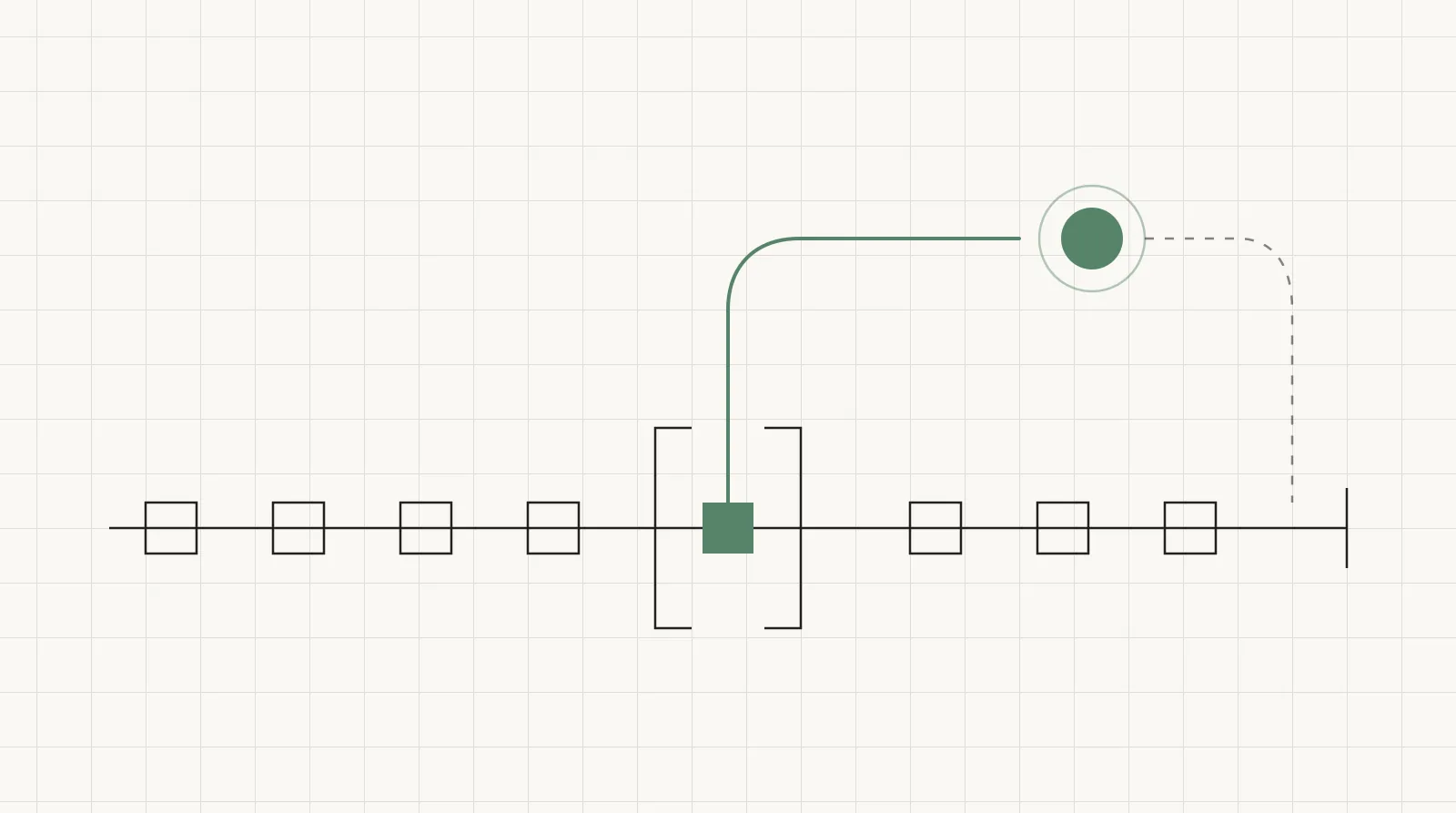
Agree one number before launch, watch it on a schedule, and give a named person the authority to pause the system on it. Monitoring that nobody owns is a dashboard.
What holds it together
These five decisions belong to the people who own the workflow, and they are all made early. A team that has settled them can swap in a better model on a Tuesday and keep every guarantee it made.
That is what makes an AI system something a clinician can lean on: the engineering around the model, agreed in advance and still running long after go-live.